

BENIN:
A CULTURAL PORTRAIT
Sitting at the crossroads of tradition and contemporary culture, where the threads of the African diaspora begin their global weave.

This West African nation holds profound significance as the birthplace of Vodun—a spiritual tradition that influenced communities from Haiti to New Orleans to Brazil to Cuba. Benin reveals how culture travels, adapts, and thrives across time and space. Insights about our shared human story resonate far beyond its borders.
QUICK FACTS
French (official), plus 50+ indigenous languages including Fon, Yoruba, and Mina
Porto-Novo (with government seat in Cotonou)
About the size of Iceland or the US state of Virginia

Over 10 million people, with most living in the vibrant south
Burkina Faso, Nigeria, Togo, and the Atlantic Ocean
WHERE HISTORY LIVES
The Royal Palaces of Abomey stand as monuments to twelve kings who ruled one of West Africa's most powerful kingdoms from 1625 to 1900. Here, the legendary Agojie warriors—inspiration for The Woman King and Black Panther's Dora Milaje—defended the realm. This UNESCO World Heritage site preserves the strategies, ceremonies, and strength of an empire whose living tradition continues today through the current King of Abomey.
BIRTHPLACE OF VODUN

GANVIÉ: A CITY ON WATER
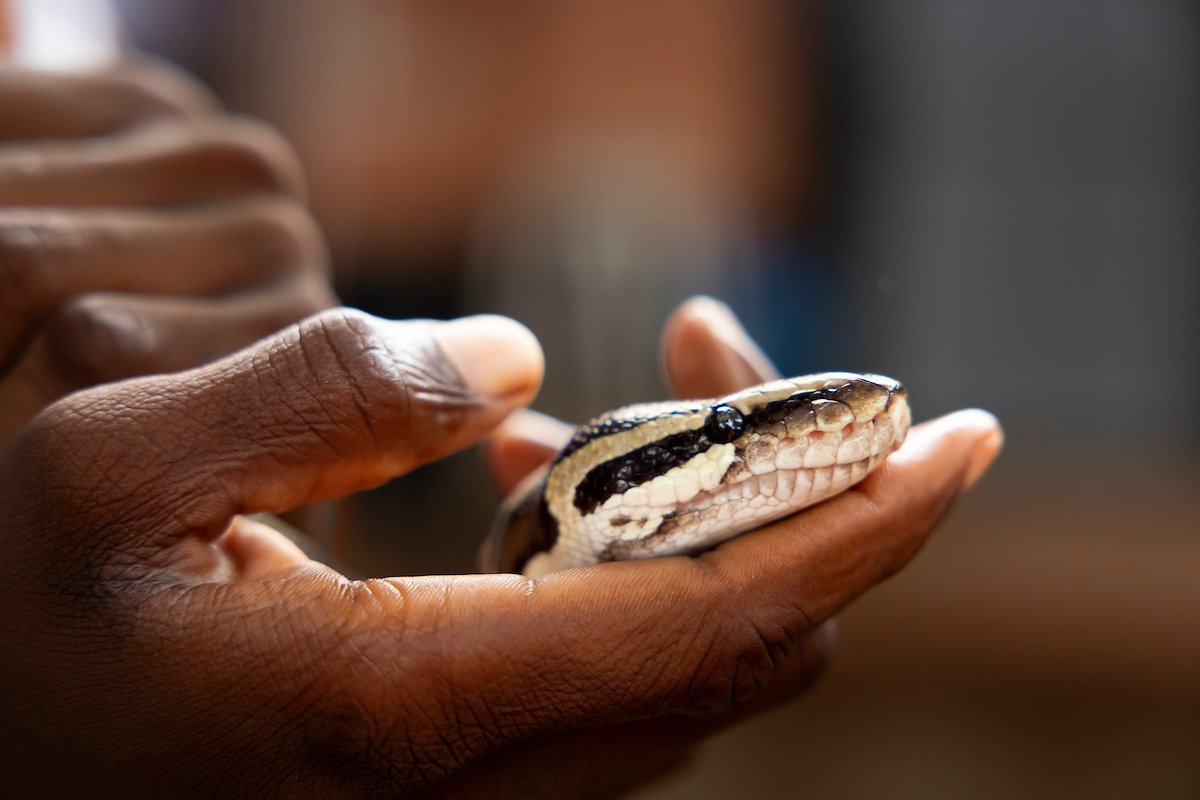
Vodun originated in Benin and now spans continents—more than a religion, it's an entire way of life connecting communities from West Africa to the Americas. At Ouidah's Temple of the Pythons, sacred snakes roam freely, embodying the reverence for nature central to this tradition. Ceremonies honor ancestors and celebrate the divine in everyday life.

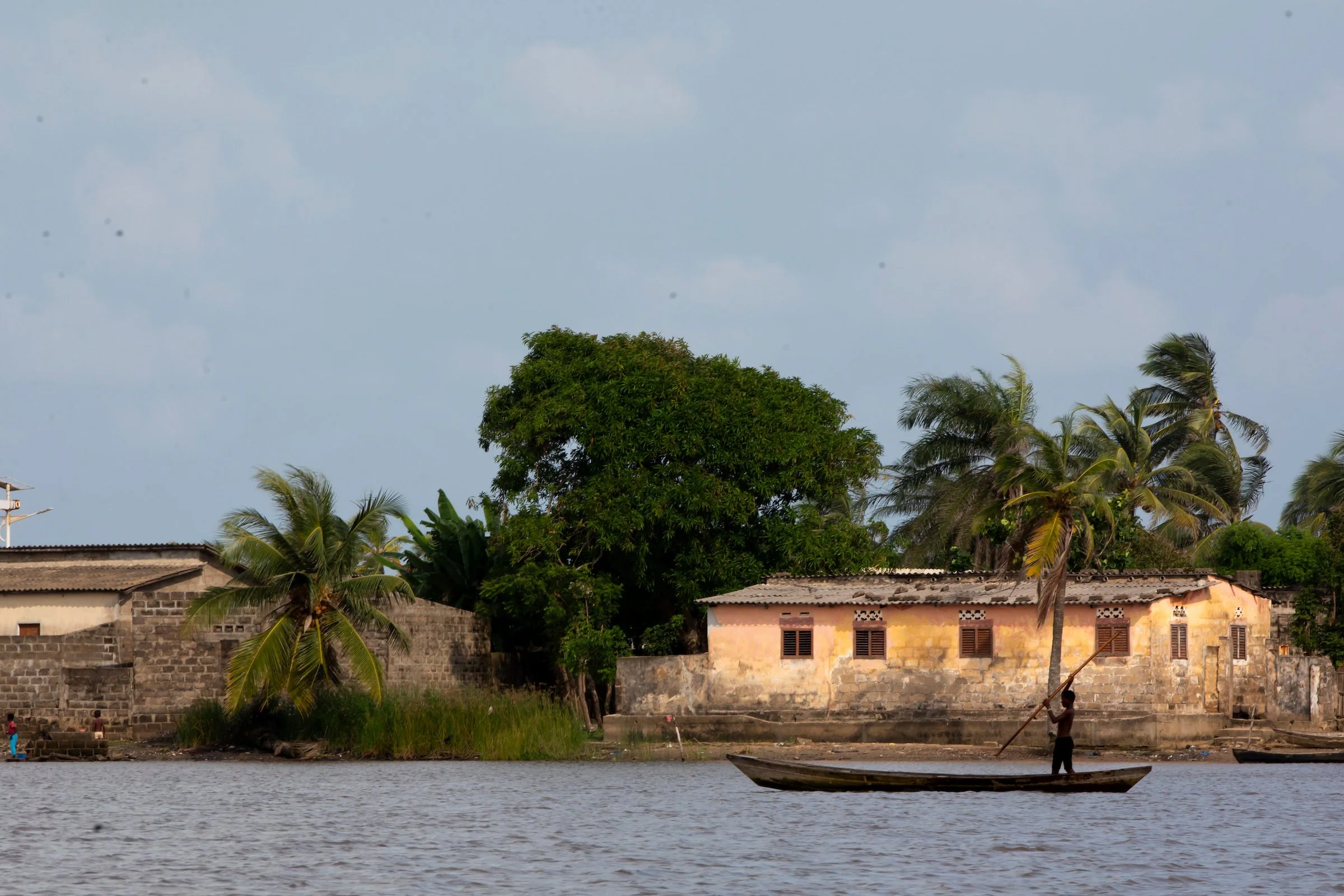
Africa's largest lake village houses 30,000 people living entirely on water. Founded by the Tofinu people seeking refuge from enslavement, Ganvié means "I was rescued here." Today, families navigate their daily lives by boat. It’s a water-based way of living that spans generations.
KINGDOM OF WARRIORS
CULTURE THAT CONNECTS
THE SLAVE ROUTE
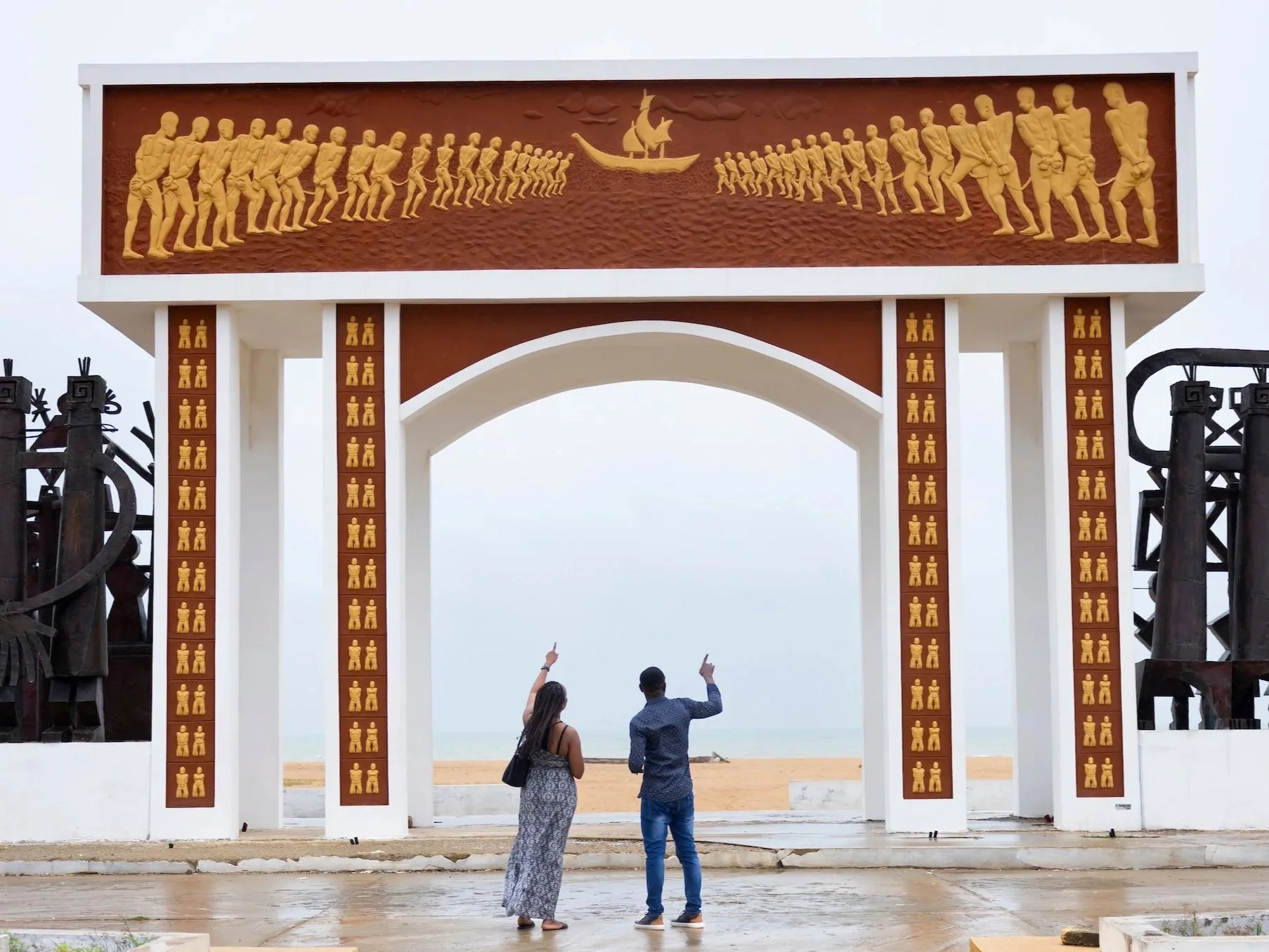
In Ouidah, the three-kilometer Slave Route marks the final steps of more than one million people forcibly kidnapped and taken to the Americas. From auction square to the Door of No Return at the ocean's edge, this corridor holds both the weight of the Transatlantic Slave Trade and the resilience of communities that survived across the diaspora. It is a place of memory, and of healing.
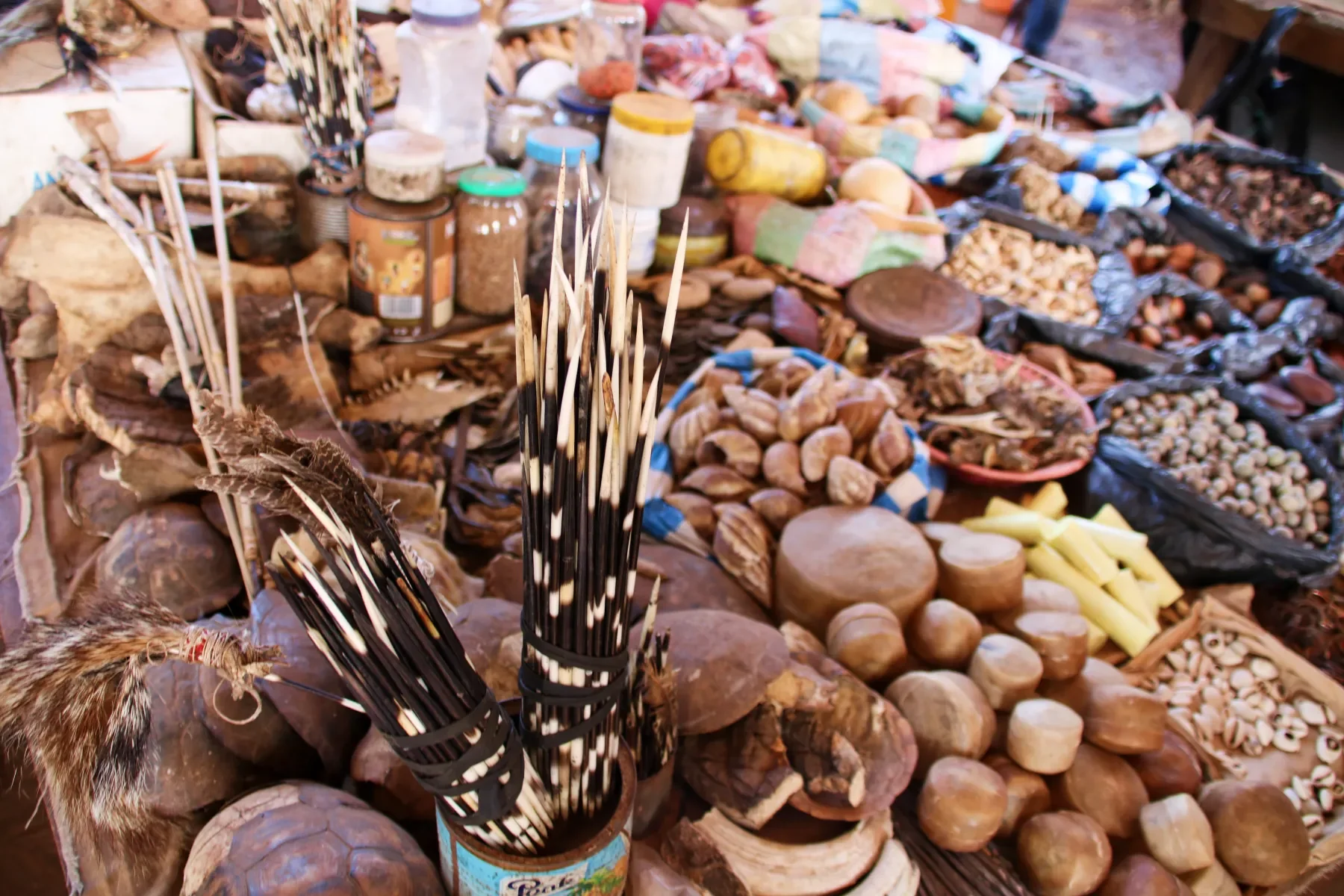
Image Source: @jasminefae
MARKETS & MEALS
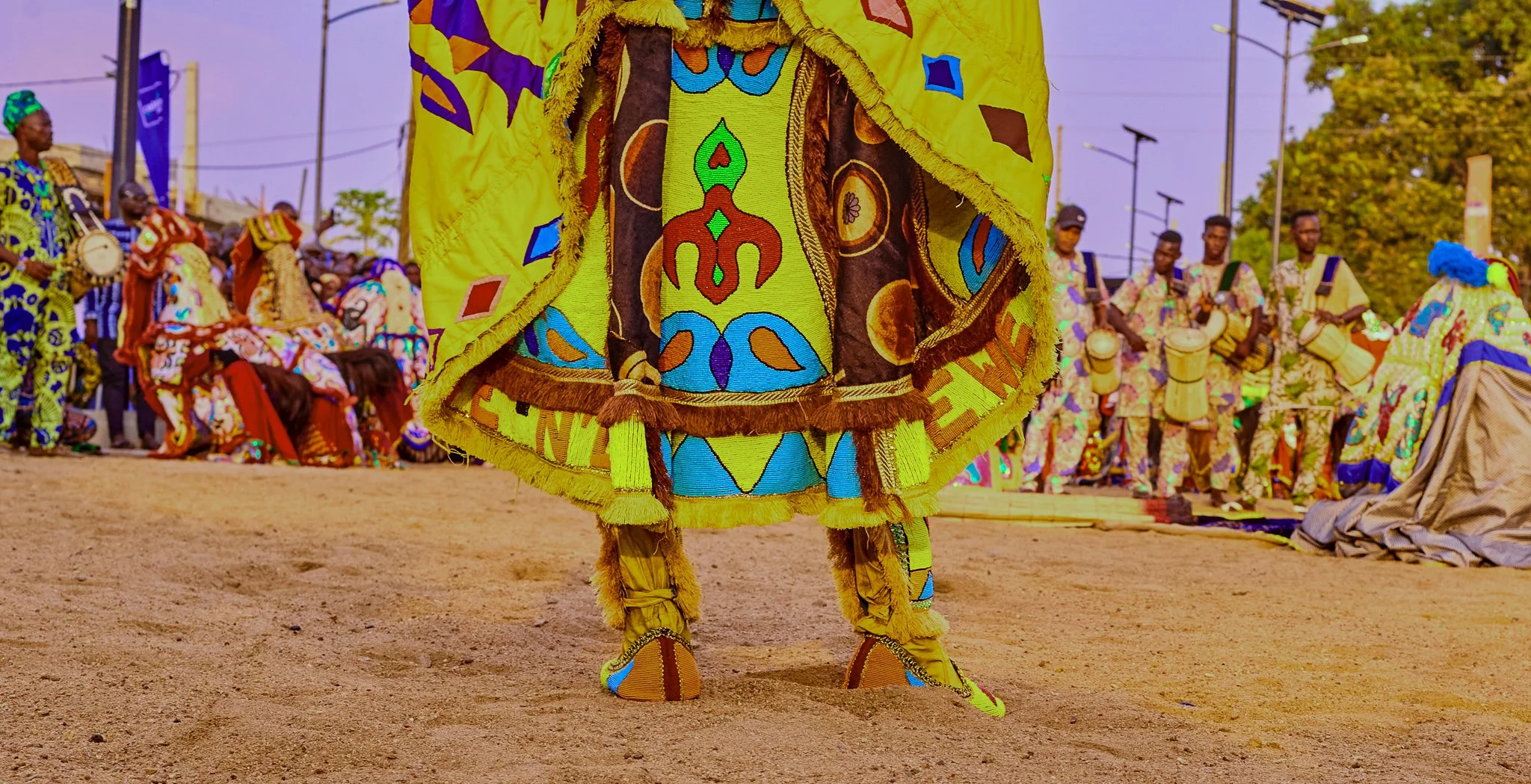
Benin's communities celebrate their identity through ceremonies—Zangbeto night guardian rituals, annual Vodun celebrations, and unity festivals like Nonvitcha. These expressions of identity, spirituality, and joy showcase rhythms that have traveled across oceans and art forms that continue to evolve.
FESTIVALS & TRADITIONS
Cotonou's Dantokpa market buzzes with traditional medicines, colorful textiles, and merchants conducting business in multiple languages. The country's cuisine features wagashi cheese from Fulani communities, coconut water from coastal vendors, and fufu prepared with recipes passed down through generations. Every meal tells a story of cultural exchange.
ART THAT CARRIES HISTORY FORWARD
Benin's creative traditions span centuries—from the sophisticated court art of Abomey to the hands of today's artisans. This is creativity that carries history forward, preserving identity through objects that still hold meaning and power.
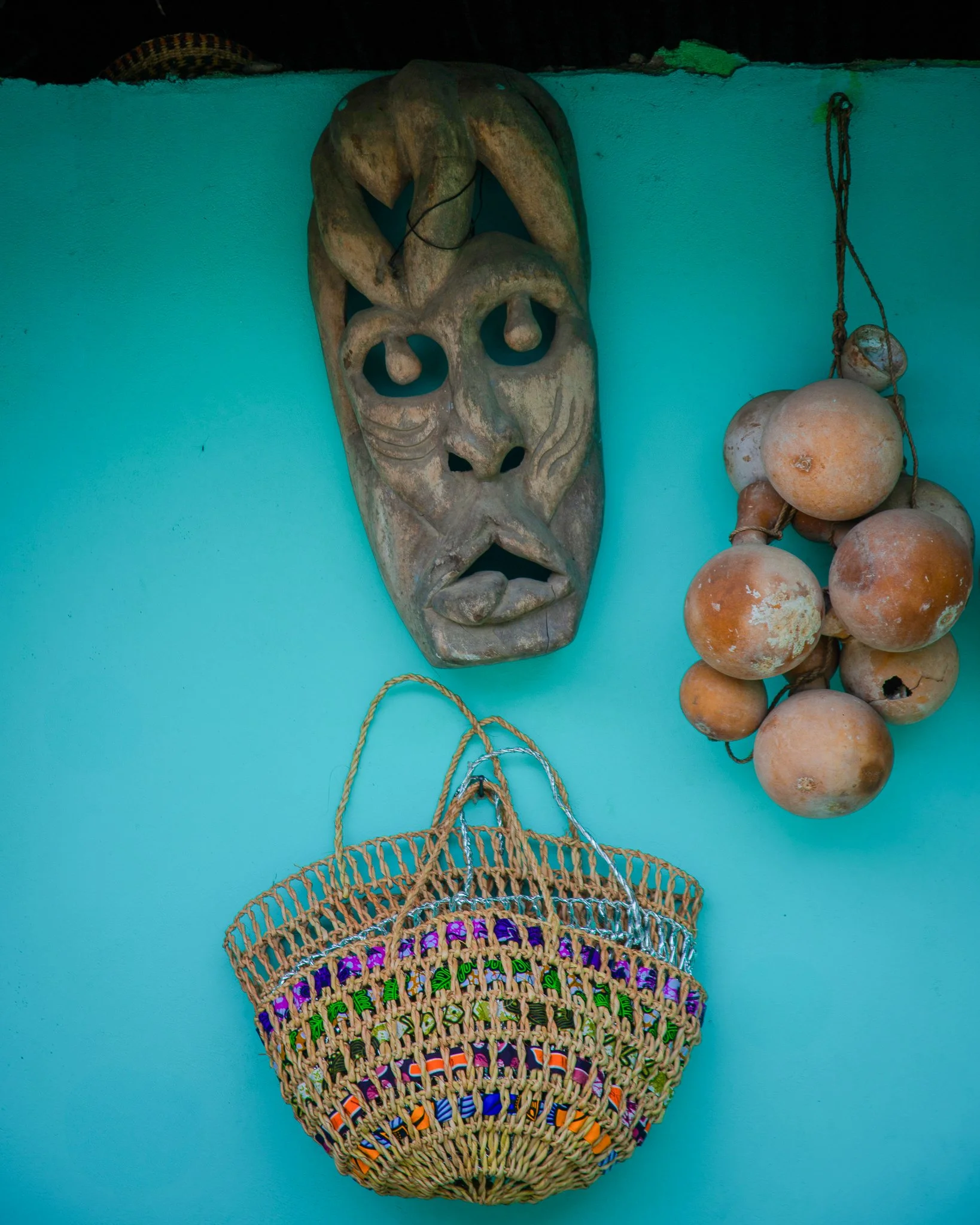
Woodcarvers create masks that still play roles in sacred ceremonies, continuing techniques passed down through generations.
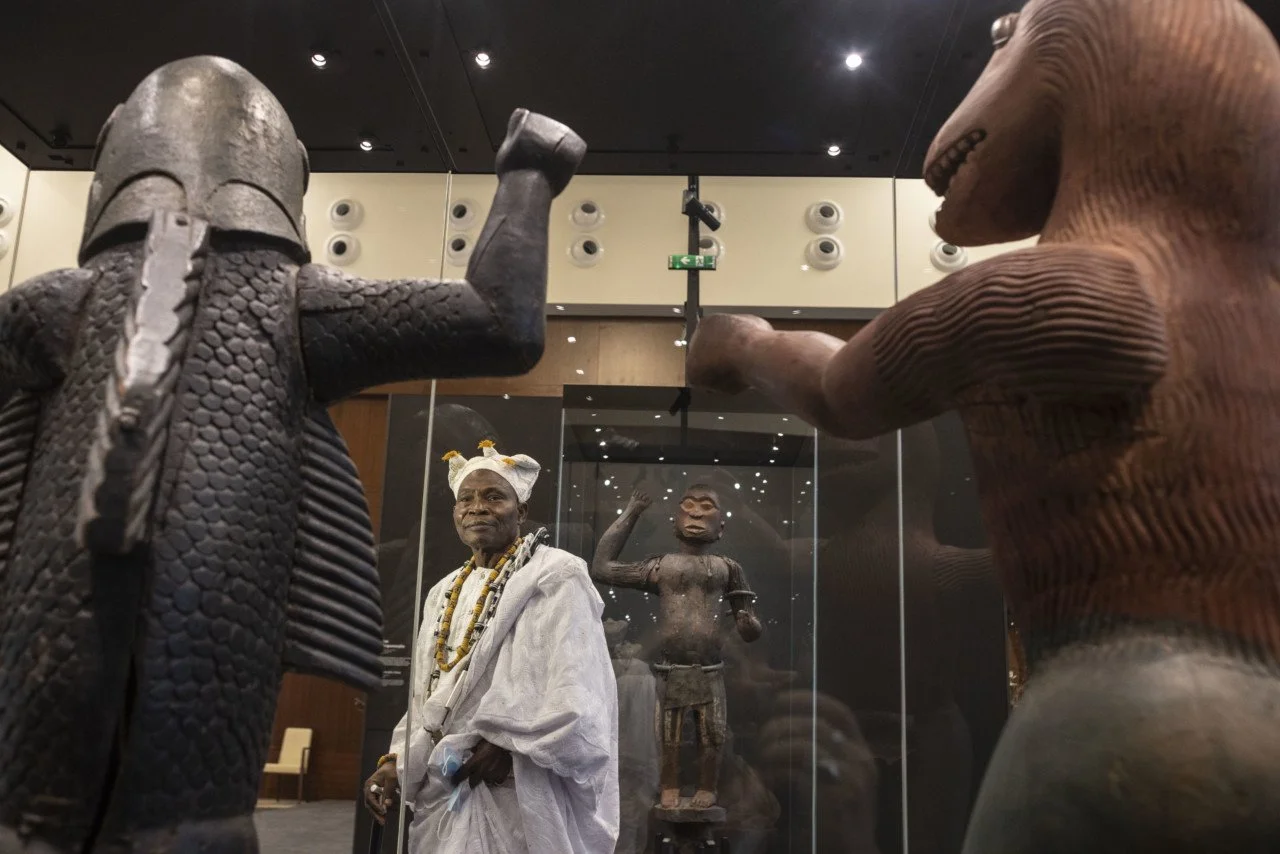
Image Source: Patrick Zachmann | Magnum Photos
The royal treasures of Abomey—including ceremonial thrones, protective statues, and palace doors—were looted by French forces in 1893 and displayed in Paris museums for 128 years. In 2021, France restituted 26 pieces to Benin, allowing the public to see the complete collection in its country of origin for the first time. These works embody the power and artistic sophistication of the Kingdom of Danxome.
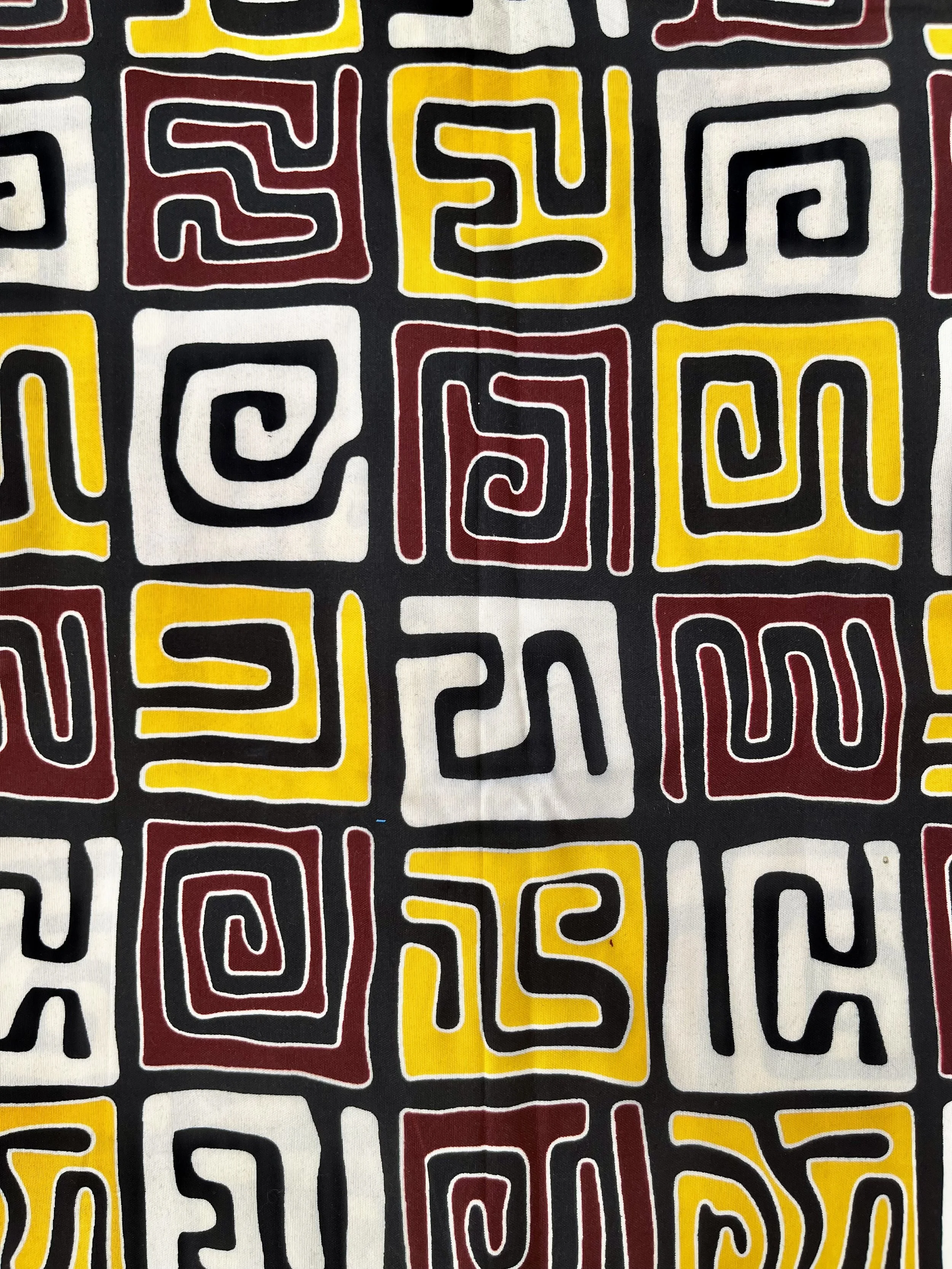
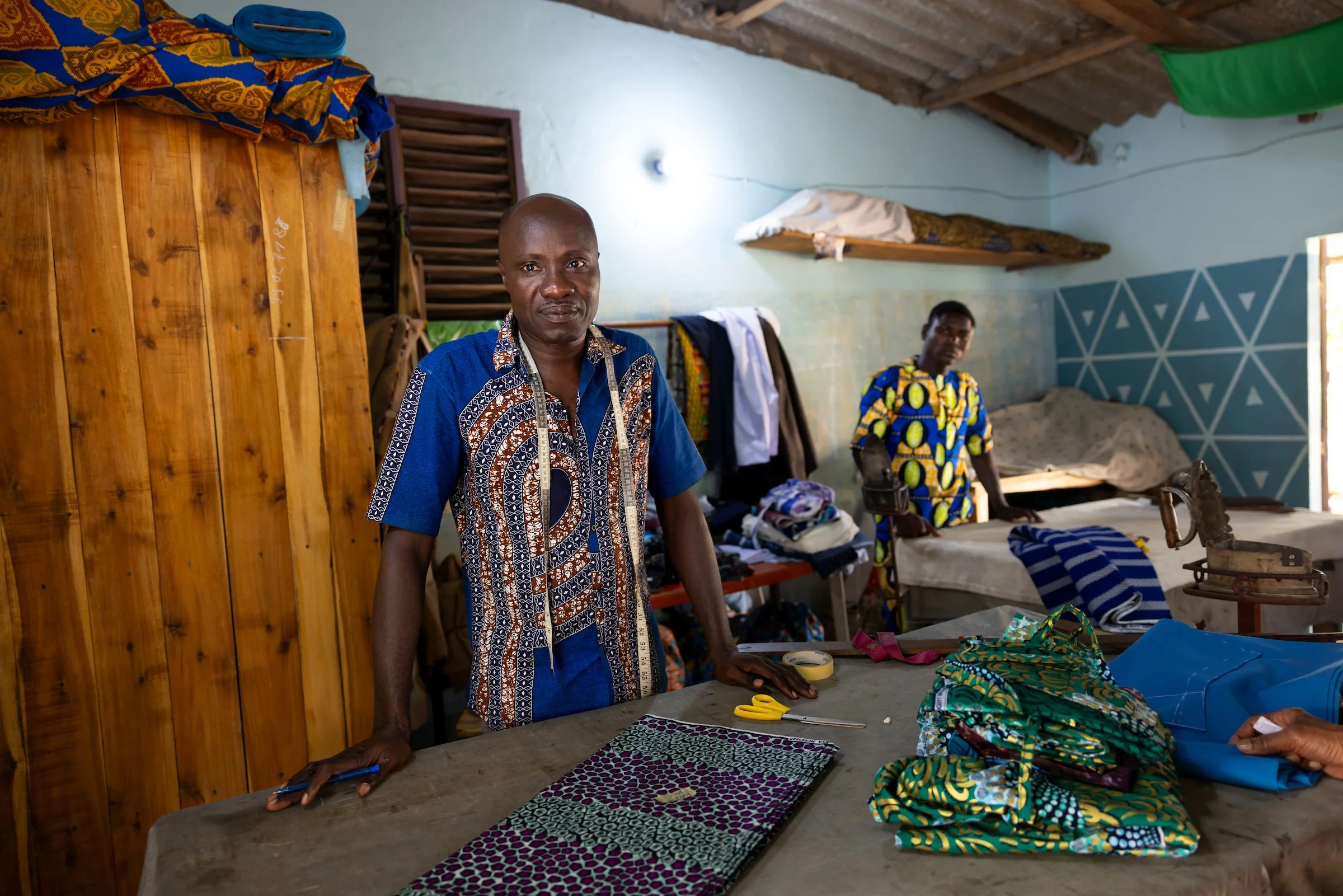
Textile artists produce appliquéd tapestries capturing both ancient symbols and modern life, blending traditional craftsmanship with contemporary expression.
BIODIVERSITY:
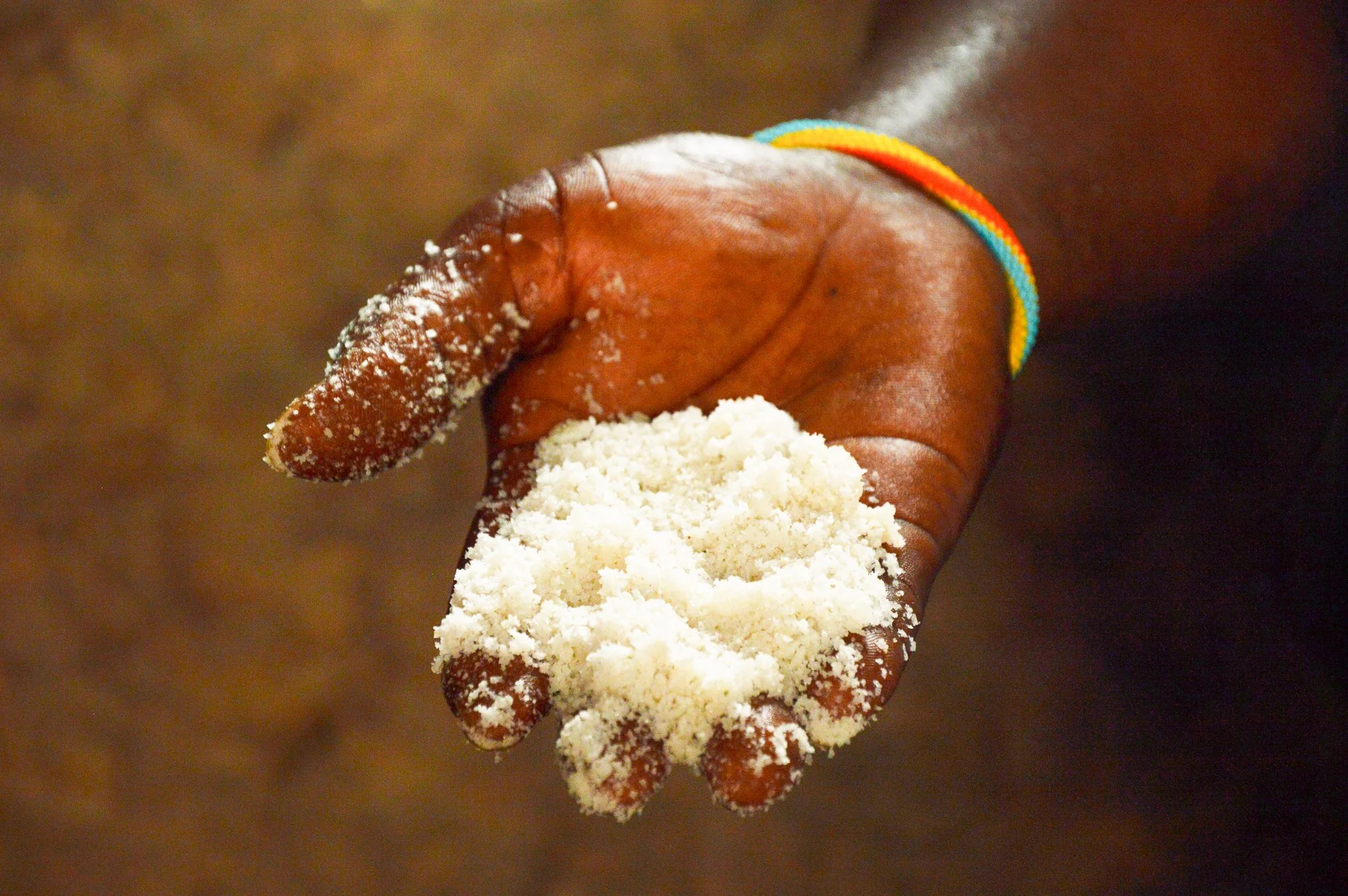
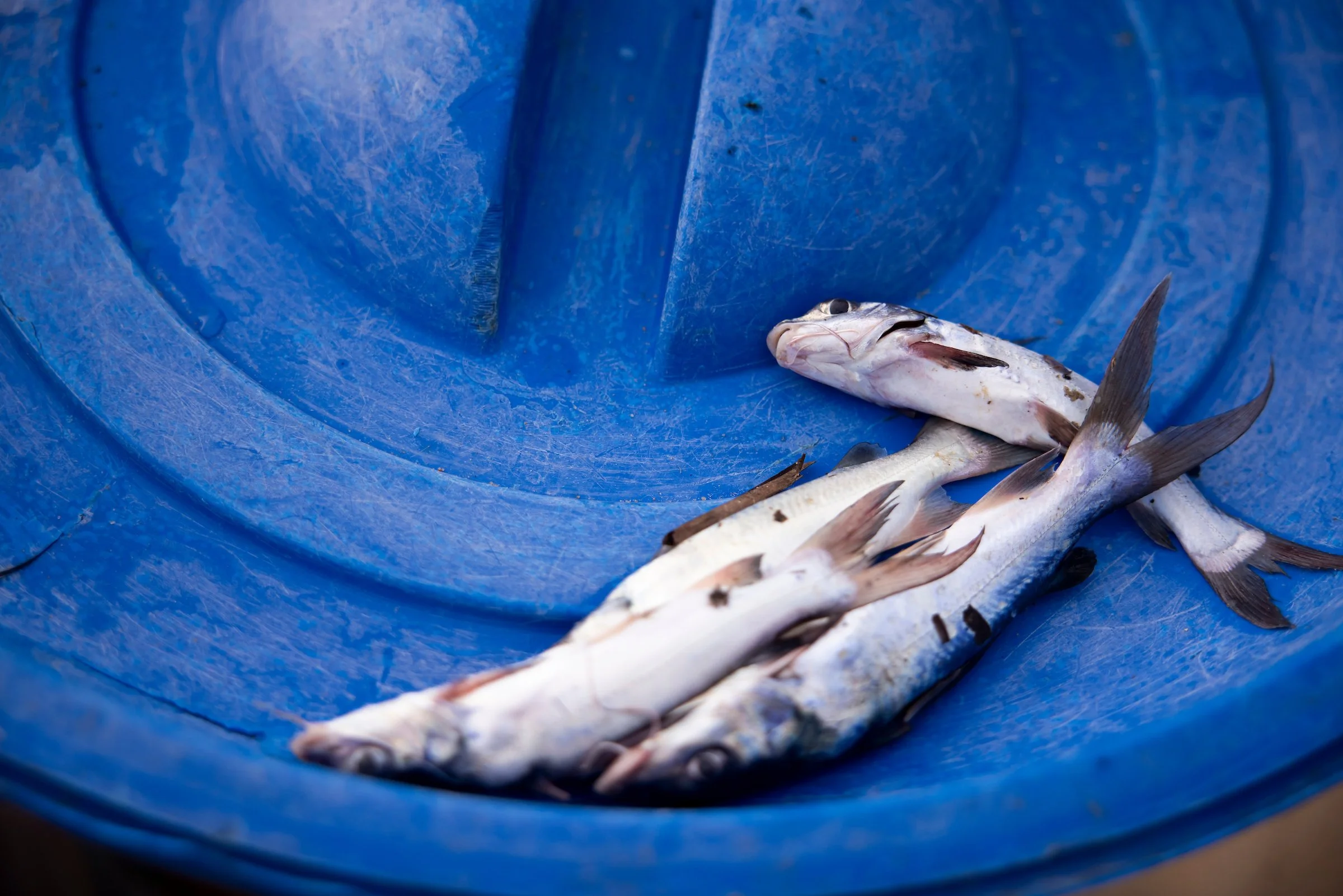
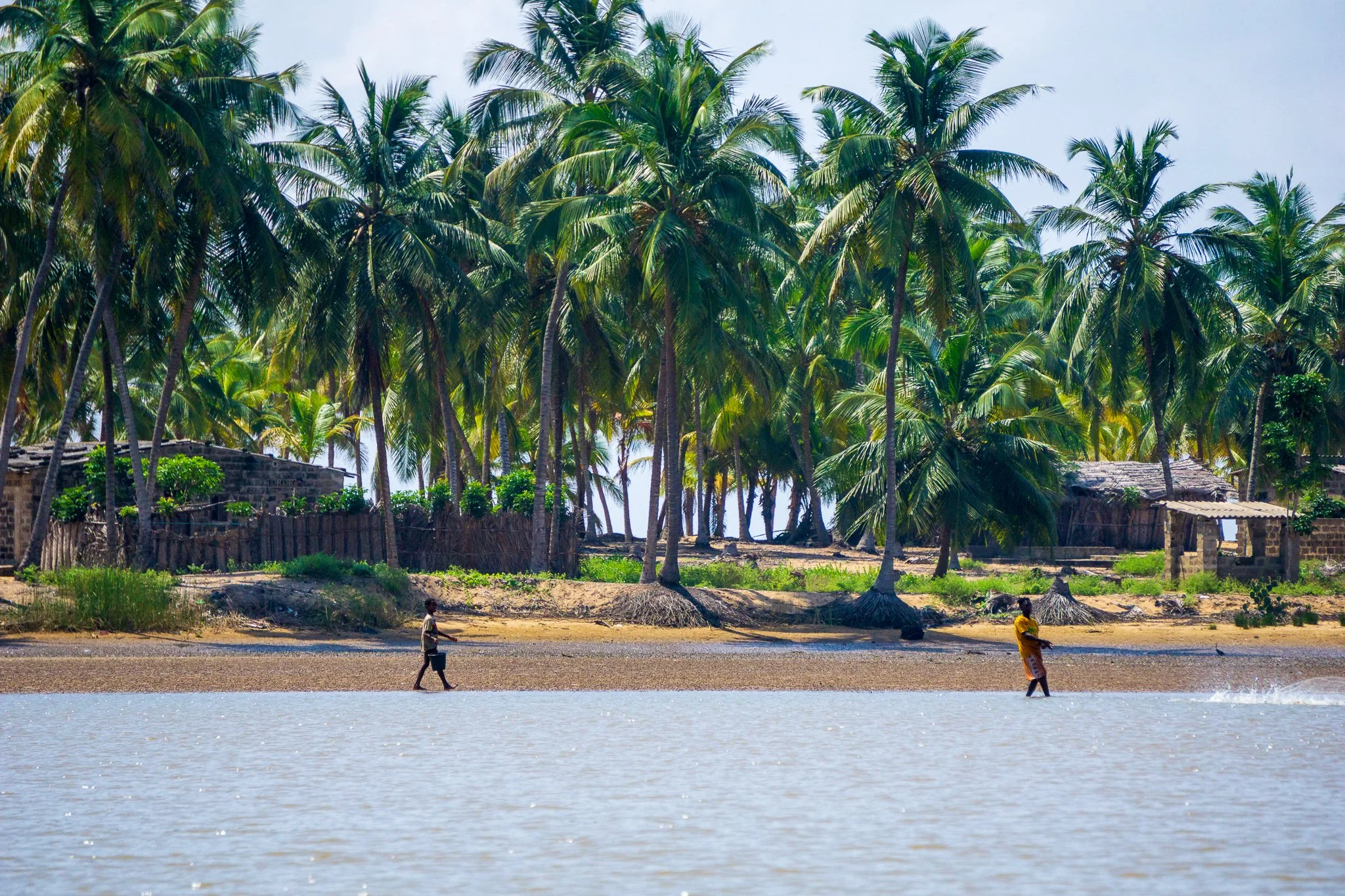
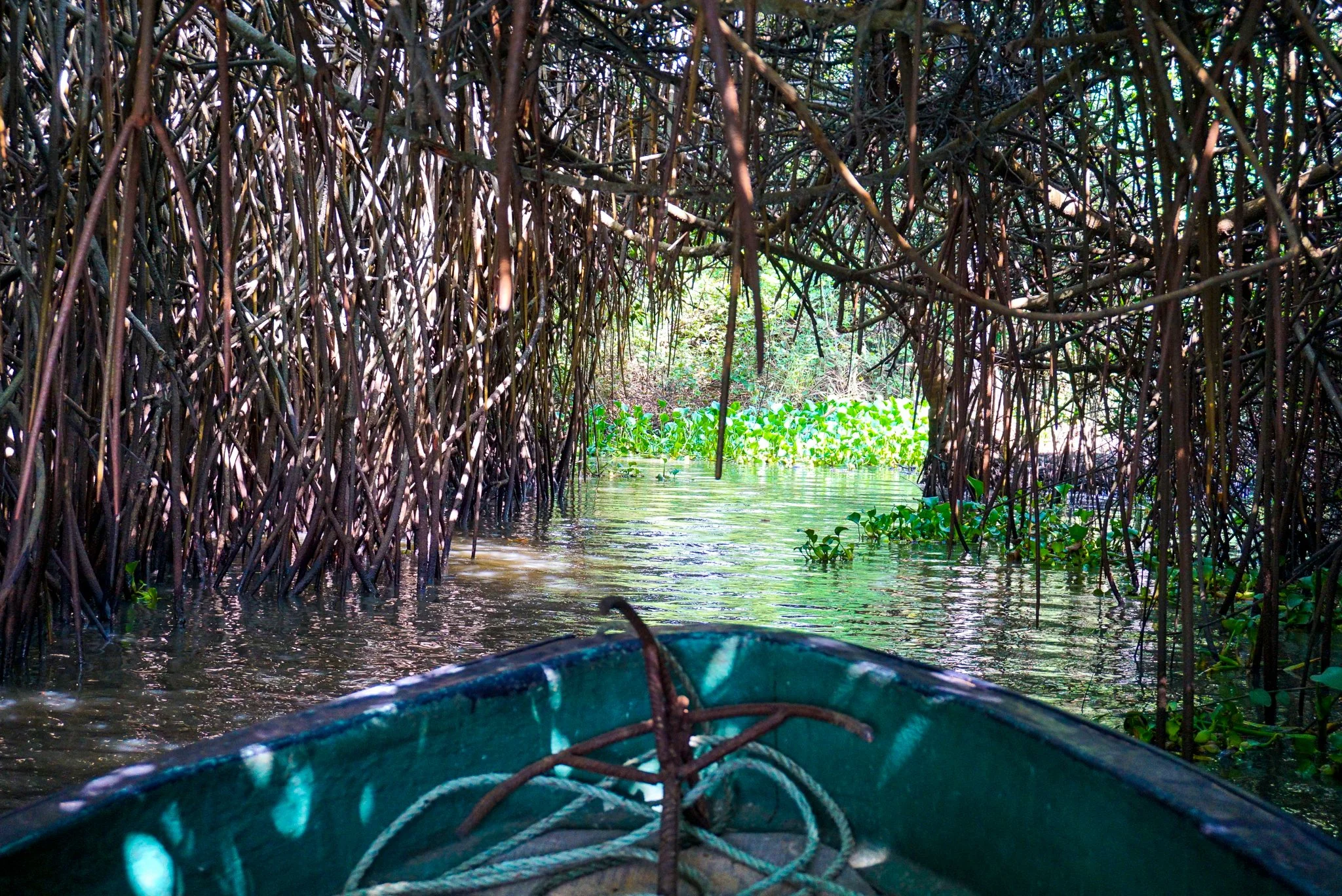
The sacred mangroves of the Mono River at Bouche du Roy ("the Mouth of the King") and the internationally recognized wetlands of Lake Ahémé represent Benin's diverse ecosystems. These landscapes show how human communities and natural environments coexist. Here, local conservation efforts integrate traditional ecological knowledge with contemporary environmental science. These practices create habitats where over 70 fish species thrive and migrating birds find seasonal refuge.
WHERE NATURE & CULTURE INTERSECT
VOICES FROM BENIN
Benin's cultural influence reaches far beyond its borders, shaping music, film, and global conversations about heritage and identity.
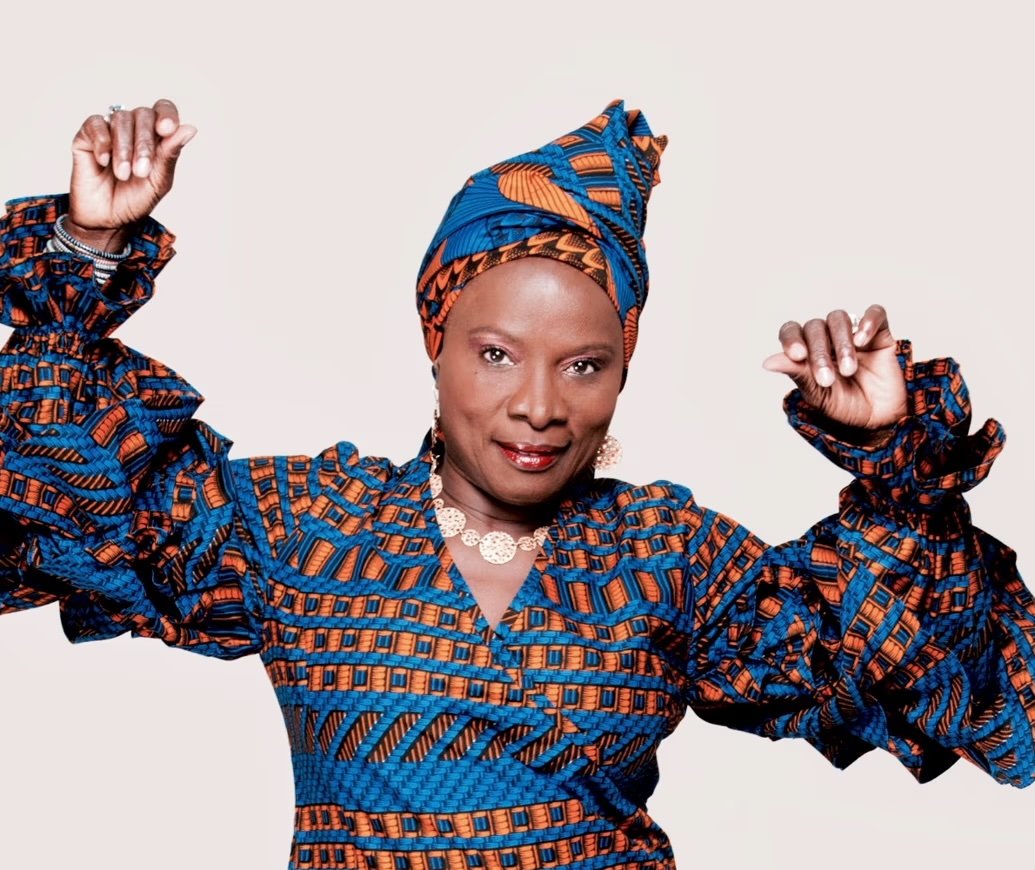
Angélique Kidjo
Five-time Grammy winner and UNICEF Goodwill Ambassador, Kidjo blends traditional Beninese rhythms with global sounds. Her music carries Benin's cultural legacy to international stages while championing education and women's rights across Africa.
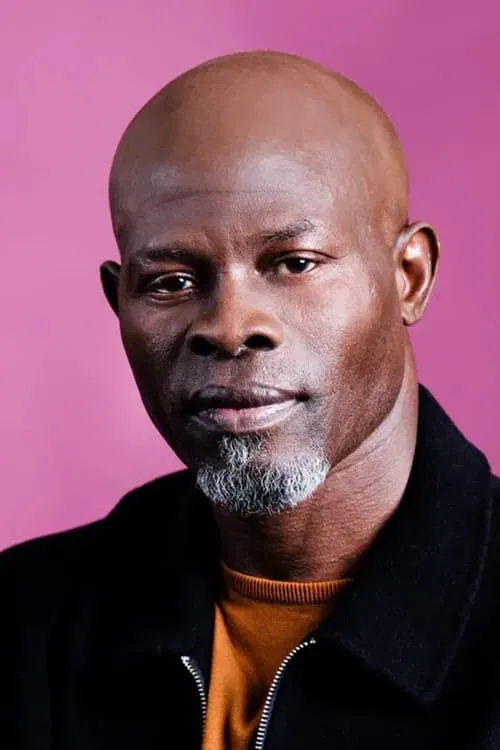
Djimon Hounsou
Oscar-nominated actor and model, Hounsou brings West African perspectives to Hollywood. Born in Cotonou, his career spans decades of powerful performances that challenge stereotypes and expand representation in global cinema.
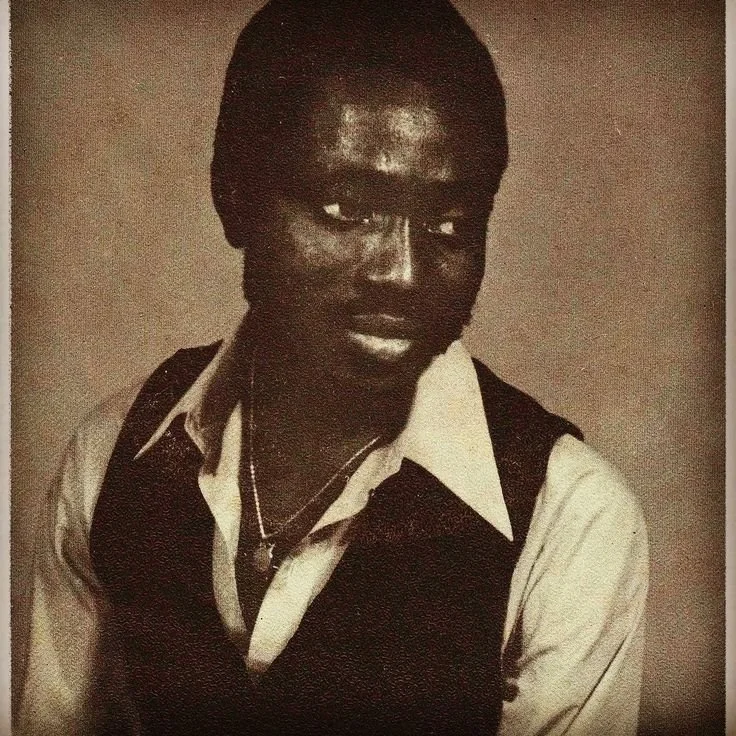
Gnonnas Pedro
Known as the "James Brown of Benin," Pedro pioneered Afrobeat and highlife fusion in the 1960s-70s. His music blended traditional rhythms with modern sounds, influencing generations of African musicians and spreading Beninese culture across the continent.
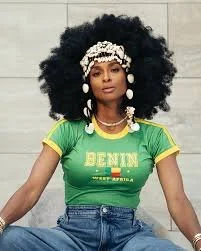
Ciara
American singer and entrepreneur Ciara received Beninese citizenship in 2024, joining a growing movement of diaspora members reconnecting with African heritage. Her recognition highlights Benin's role as an ancestral homeland for millions across the African diaspora.
Benin's rich cultural heritage continues to influence communities worldwide. This West African nation offers profound connections to history, spirituality, and artistic expression that resonate across the African diaspora.